
Oxygen-Deprived Dwarf Galaxy Located In Constellation Lynx Is A Record-Breaker
MessageToEagle.com – A newly discovered dwarf galaxy in the constellation Lynx creates for astronomers new possibilities for better understanding chemistry of the early universe, its formation and evolution.
The dwarf galaxy, dubbed J0811+4730, is located 620 million light years away, in the constellation Lynx. It is the most oxygen-deprived star-forming yet discovered by astronomers.
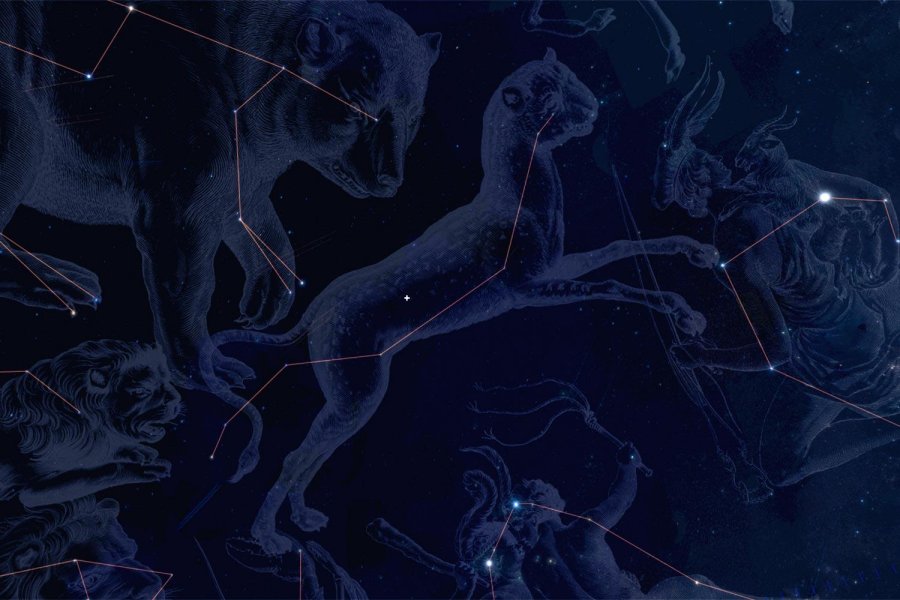
J0811+4730: the most metal-poor star-forming dwarf galaxy known, write researchers in their study.
Using the powerful Large Binocular Telescope in Arizona, astronomers found that J0811+4730, is a record-breaker: It has 9 percent less oxygen than any other so far discovered.
“We found that a considerable fraction of the stellar mass of the galaxy was formed only a few million years ago, making this one of the best counterparts we’ve found of primordial galaxies,” said UVA astronomer Trinh Thuan, one of the study’s authors in a press release.
“Because of its extremely low oxygen level, this galaxy serves as an accessible proxy for star-forming galaxies that came together within one to two billion years after the Big Bang, the early period of our nearly 14 billion-year-old universe.”

Astronomers know that the first galaxies during their forming stages were chemically simple – primarily made up of hydrogen and helium, elements made in the Big Bang during the first three minutes of the universe’s existence. Oxygen came later, as massive stars formed and made heavier and more complex elements by nuclear fusion in their interiors and also in their explosive deaths, ultimately creating a universe of countless oxygen-rich galaxies like our Milky Way.
Thuan said the data indicates that the tiny galaxy is rapidly producing new stars at a quarter of the rate of the Milky Way – yet its mass in stars is 30,000 times smaller.
Eighty percent of its stellar mass has formed in just the past few million years, marking this as an exceptionally young galaxy, producing copious amounts of ionizing radiation.
Research is published in the journal Monthly Notices of the Royal Astronomical Society.
MessageToEagle.com
Expand for referencesReferences:
Related Posts
-
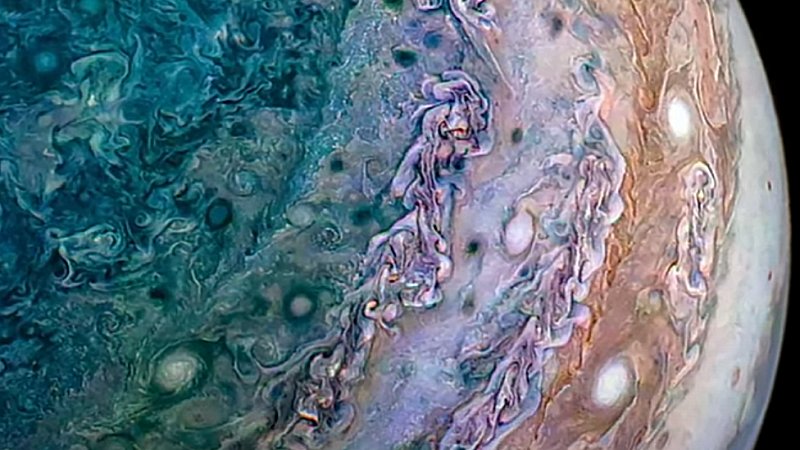 Jet Streams And Winds Observed By Astronomers On The Closest Brown Dwarf
-
 Tribute To Carl Sagan – One Of The Greatest Scientists To Have Ever Walked The Earth
-
 New ISS Crew Is Preparing For Life Aboard The Space Station
-
 Milky Way’s Black Hole Was ‘Birth Cry’ Of Radio Astronomy
-
 Solar Weather Has Real Material Effects On Earth
-
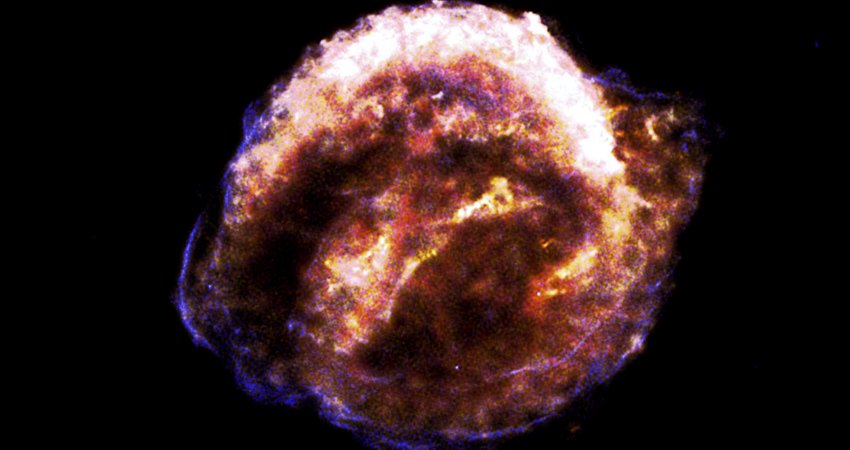 Debris From Kepler’s Supernova Travels At Speeds 25000 Times Faster Than Speed Of Sound On Earth
-
 Looking Deeper Into Violent Neutron Star Collisions
-
 Most Extreme Light Flashes In The Universe – Researchers Explore
-
 ‘Warm Jupiters’ Have Many Planetary Companions – Surprising New Results Revealed By Astronomers
-
 Supermassive Black Holes Lurking In The Hearts Of Galaxies

