
Parthians: Their Great Empire And Skilled Horse Archers
MessageToEagle.com – The Parthian people established an empire that lasted almost 500 years, from the mid-3rd century BC until 224 CE. Their empire was the most lasting of the empires of the ancient Near East.

They came to power under king Mithradates the Great (171-138 BC); their territories stretched from the Euphrates River in the west to Central Asia and the borders of Bactria in the east. The Parthian empire occupied Iraq, Armenia, all of modern Iran, parts of Turkey, Georgia, Azerbaijan, Turkmenistan, Afghanistan and Tajikistan, and for short time, also territories in Pakistan, Syria, Lebanon, Israel and Palestine.
Strangely, despite their enormous role in forming a strong link between the peoples of East Asia and Europe – the Parthians were overshadowed by the Achaemenids and Sassanids.
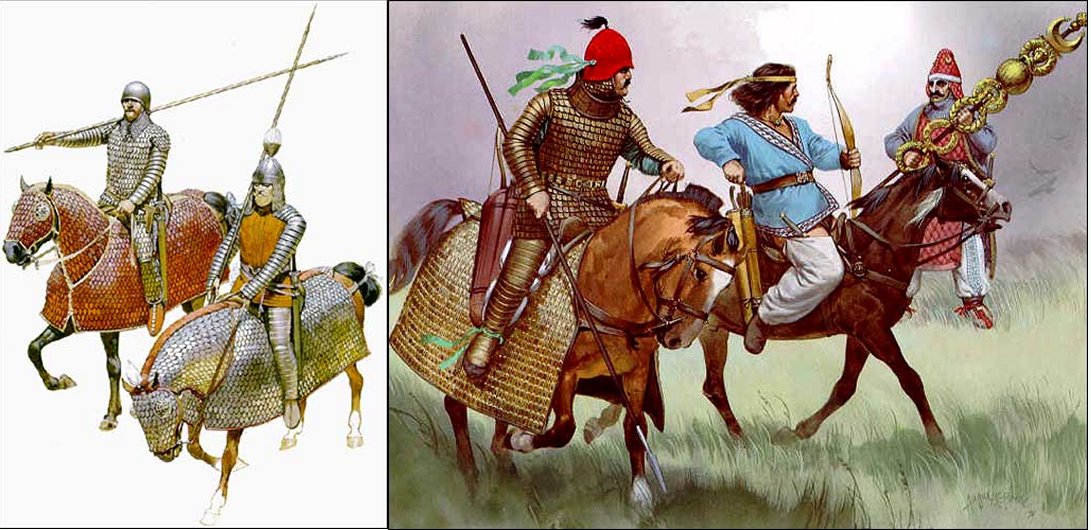
The Parthians were originally part of a tribe known as the Parni (or Aparni), who originated on the eastern edge of the Caspian Sea. We know about their history but only from Greek and Roman sources, which mainly describe the Roman battles with the Parthians and their excellent warfare.
The Parthians were literate people but unfortunately, they did not record histories of their dynasty.
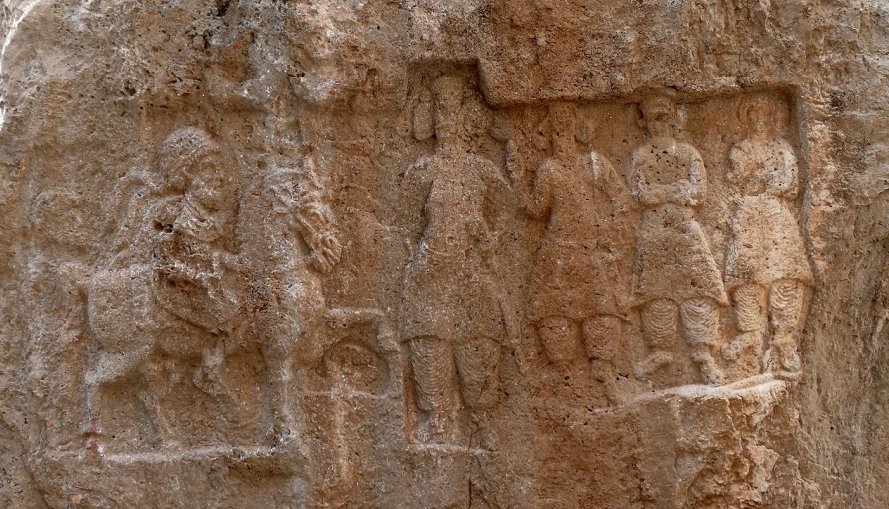
Excavations revealed that they built temples, monuments, tombs and Parthian coins, which they made for the reigns of their kings and this procedure – although, rather unusual in Antiquity – functioned very well.
Their religion was an early form of Zoroastrianism, but they were also tolerant of other religious beliefs.
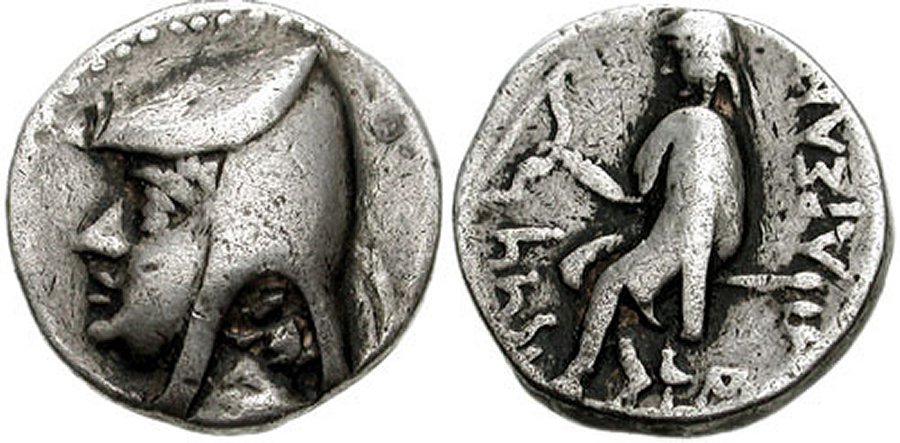
Their most famous towns such as Ctesiphon, Seleucia, Ecbatana, Rhagae, Hecatompylus, Nisâ, and Susa flourished.The first king of the Parthians was Tiridates’ brother Arsaces I. His capital was Hecatompylus, the capital of the Parthian Arsacid dynasty by 200 BC.
The Parthians, like their neighbors, the Scythians, were able to succeed in battle often due to their use of horse archers. Ancient Parthians were brave and extremely skilled archers mounted on light horses. While pretending to flee at a full gallop in panic, they turned their bodies back to shoot at the pursuing enemy. It was their strategy – to confuse the enemy by pretending to be in retreat – and then, attack.
From this ancient Parthian strategy originates the term “Parthian shot” that symbolizes perfection and deadly accuracy. Now it is known as “parting shot”.
The key to their many victories was the crucial role of Parthian archers.
The Roman-Parthian wars lasted so long because the Parthians were hard to defeat. The Romans relied on heavy infantry; the Parthian armies contained two types of cavalry: the heavy-armed and armored cataphracts and light brigades of mounted archers.
Written by – A. Sutherland – MessageToEagle.com Senior Staff Writer
Copyright © MessageToeagle.com All rights reserved. This material may not be published, broadcast, rewritten or redistributed in whole or part without the express written permission of MessageToeagle.com
Expand for referencesRelated Posts
-
 Anundshög Burial Mound: One Of Sweden’s Richest And Largest Sacred Ancient Sites
-
 Statues Of Serapis Sky God And Asclepios God Of Medicine Unearthed In Ancient City Of Kibyra
-
 Ancient Script Reveals Mysterious Location Of Legendary Hanging Garden Of Babylon
-
 Palnatoke – Founder Of The Jomsvikings Brotherhood, Legendary Danish Hero And Enemy Of King Harald Bluetooth
-
 Genetic Engineering Of Humanity: DNA Of The Gods – The Anunnaki Creation Of Eve And The Alien Battle For Humanity
-
 Legendary Beowulf Fighting Dragon Grendel In Heroic Poem Written In Anglo-Saxon England
-
 America’s Oldest City Caral Illegally Invaded And Archaeologist Threatened With Death
-
 Mystery Of The Giants’ Grave of Coddu Vecchiu
-
 Mystery Of King Solomon’s Mines: An Unsolved Ancient Enigma
-
 Researchers Find An Elusive European Ancestor Of Lager Yeast In Ireland

